Brand Consulting · November 18, 2026 · 6 min read
Graphic Design Systems: Building Consistent Logos, Typography, and Visual Identity
Move beyond isolated one-off graphics by architecting scalable visual identity guidelines that perform across print, social, and web interfaces.
By xiom (Principal Growth & AI Web Architect)
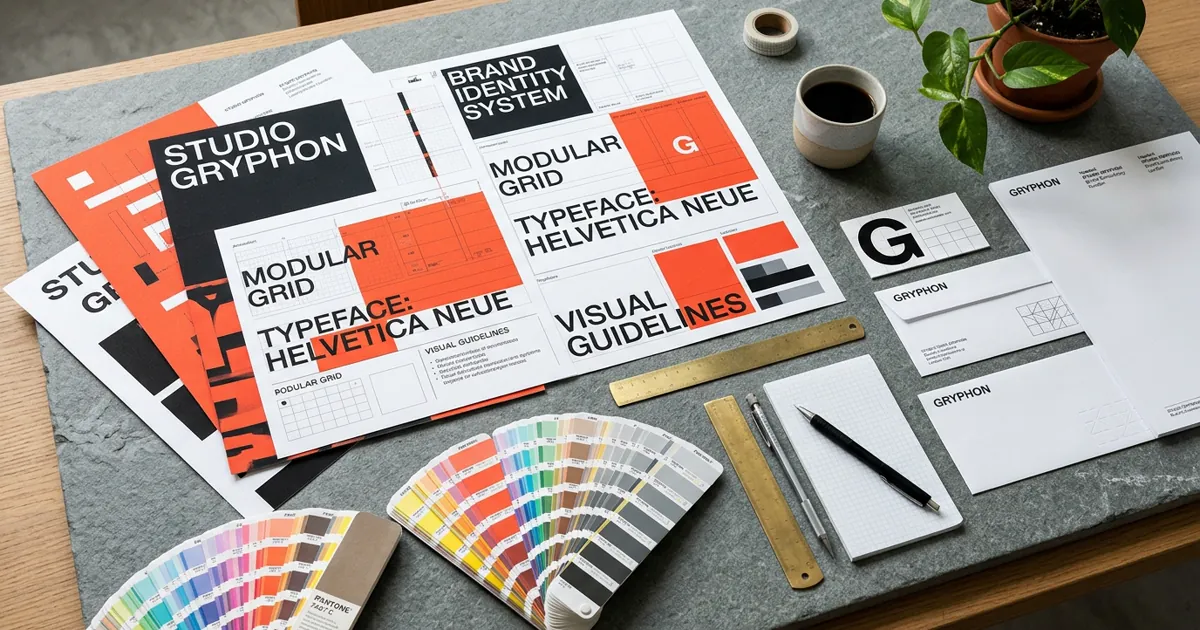
Strategic graphic design creates immediate recognition across every customer touchpoint. Learn how logo systems, grid rules, and WCAG-safe palettes strengthen brand authority.
Why Commercial Graphic Design Is a System, Not Isolated Artwork
Random social banners and mismatched fonts make established firms look fragmented to high-value buyers. Strategic graphic design establishes repeatable rules for logo clearspace, primary colors, type pairing, and photographic mood.
Digital-First Contrast and Vector Scalability
Every corporate mark must scale smoothly from a tiny browser favicon to wide trade-show signage without losing legibility. Pairing primary brand colors with WCAG AA text contrast guarantees effortless reading across screens and print.

- Limit active brand typefaces to two complementary families for speed and coherence.
- Export crisp vector marks alongside compressed 1200×630 WebP social preview cards.
- Document usage rules inside a lightweight brand book shared across internal teams.
Connecting Brand Guidelines With Campaign Posters and Websites
Consistent brand systems reduce design turnaround time because every designer starts from approved spacing grids and verified color tokens. Pair your identity rules with Poster Design Principles for high-impact event campaigns.
To translate visual authority directly onto your website, review The Human Touch & Authentic Design and Brand Personality in UI.
Continue Reading on Digital Pulse
- Essential Strategy, Website and Digital Presence for Business Growth in Mombasa and Nairobi
- The Core Shifts in SME Web Features for 2027: Practical AI UX & CRO
- WhatsApp Web for Business: Setup, Security, and Workflow Automation Guide
- What Is Web Design? Core Elements, User Experience, and Modern Standards
- Web Design Kenya: Mobile Speed, M-Pesa Checkout, and Local SEO Benchmarks