AI Websites & WaaS · September 18, 2026 · 5 min read
Zero-Bloat Frontend Engineering: Code Splitting, Touch Targets, and Core Web Vitals
How route-level code splitting, WebP compression, and 44px–48px touch ergonomics directly raise mobile rankings and buyer trust.
By xiom (Principal Growth & AI Web Architect)
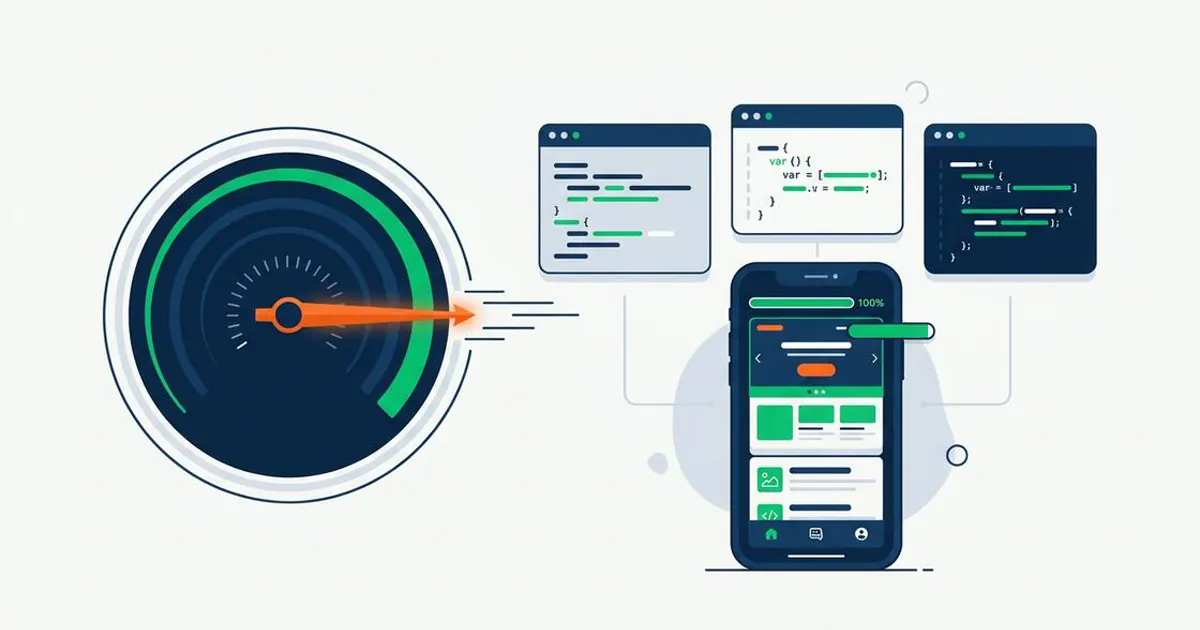
Bloated JavaScript bundles and cramped tap targets trigger bounce spikes and crawler penalties. Review the technical hygiene applied across every production site.
01. Eliminating Main-Thread Blocking With Dynamic Route Splitting
Shipping every modal, admin studio, and secondary template inside one giant JavaScript bundle stalls smartphone processors. Dynamic route splitting ensures browsers parse only the exact bytes needed for the active page.
Mobile Touch Targets and Responsive Clarity
Maintaining minimum 44px tap heights prevents mis-taps on small screens while WebP images preserve crisp hero loading. Pair these rules with Performance-First Web Design 2027 and Web Design & Development.
- Enforce 44px–48px minimum touch targets on mobile navigation and CTA controls.
- Serve hero visuals eagerly in 1200×630 WebP while lazy-loading below-fold images.
- Split secondary routes and heavy dashboards behind async dynamic imports.
Continue Reading on Digital Pulse
- Essential Strategy, Website and Digital Presence for Business Growth in Mombasa and Nairobi
- The Core Shifts in SME Web Features for 2027: Practical AI UX & CRO
- WhatsApp Web for Business: Setup, Security, and Workflow Automation Guide
- What Is Web Design? Core Elements, User Experience, and Modern Standards
- Web Design Kenya: Mobile Speed, M-Pesa Checkout, and Local SEO Benchmarks